
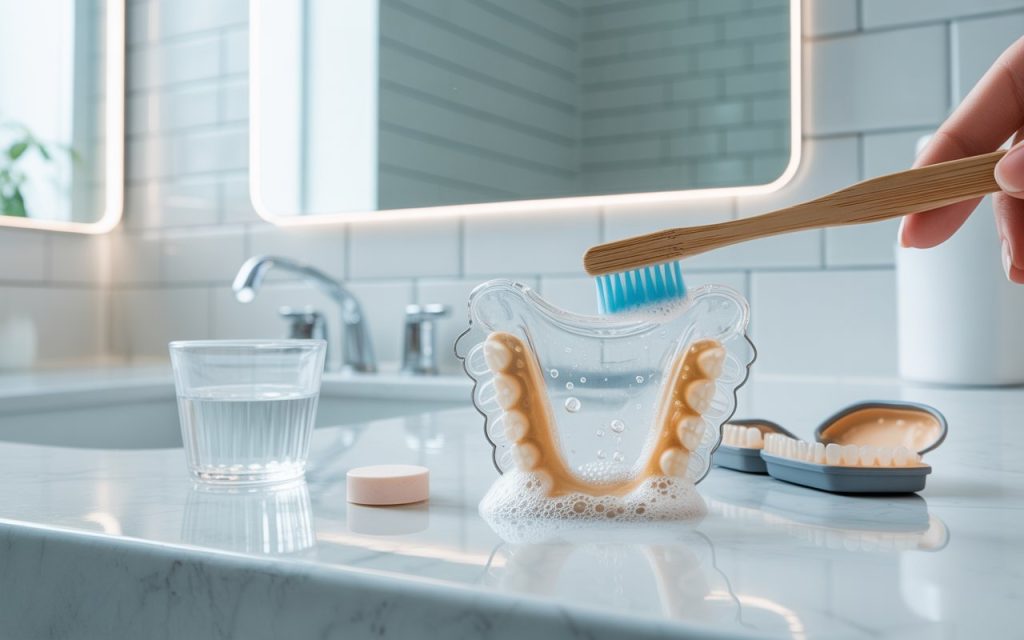
If you’re wondering “how to clean retainers”, the short answer is simple:
👉 Clean your retainers daily using a soft toothbrush, lukewarm water, and a gentle cleaning solution to remove bacteria, plaque, and odor.
But proper retainer hygiene goes beyond a quick rinse. Whether you use clear plastic trays or wire-based appliances, knowing the right cleaning methods helps prevent bacteria buildup, bad breath, stains, and long-term damage.
In this complete guide, you’ll learn the best way to clean retainers, safe methods, deep-cleaning techniques, and mistakes to avoid.
🦷 What Are Retainers and Why Cleaning Matters
Dental retainers are devices used after orthodontic treatment to maintain teeth alignment. They are prescribed by an Orthodontist and play a key role in long-term oral health.
However, retainers sit in your mouth for hours every day, making them a hotspot for:
- Bacteria
- Plaque buildup
- Tartar formation
- Bad breath
Without proper cleaning, your retainer can become unhygienic and even harmful to your oral health.
🧼 Types of Retainers (Cleaning Method Matters)
Different retainers require slightly different care:
1. Clear Plastic Retainers
- Essix retainers
- Invisalign retainers
✔ Most common
✔ Prone to stains and odor
2. Wire Retainers
- Hawley retainers
✔ Durable
✔ Easier to clean
3. Acrylic Retainers
- Contain plastic + metal
✔ Require careful cleaning
✅ Daily Retainer Cleaning Routine (Best Practice)
To maintain proper oral hygiene, follow this daily routine:
Step-by-Step:
- Rinse Immediately After Removal
- Use lukewarm water (not hot)
- Removes saliva and loose debris
- Brush Gently
- Use a Soft-bristled toothbrush
- Avoid harsh scrubbing
- Use Mild Cleaning Agents
- Mild soap or non-abrasive cleaner
- Avoid strong chemicals
- Rinse Thoroughly
- Ensure no residue remains
- Store Properly
- Use a Retainer case
- Keep it dry and clean
🧪 Best Cleaning Solutions for Retainers
1. 🧂 Baking Soda Solution (Natural Cleaner)
- Mix baking soda with water
- Gently scrub
✔ Removes odor
✔ Safe for daily use
2. 🍶 Vinegar Solution
- Mix white vinegar + water (1:1)
- Soak for 15–20 minutes
✔ Removes calcium deposits
✔ Breaks down tartar
3. 💧 Hydrogen Peroxide
- Mix with water
- Soak briefly
✔ Kills bacteria
✔ Helps disinfect
4. 💊 Denture Cleaning Tablets
- Use as directed in water
✔ Deep cleaning
✔ Removes stains effectively
5. 🧼 Mild Soap (Safe Everyday Option)
- Use gentle dish soap
- Avoid scented or harsh chemicals
⚠️ What NOT to Use When Cleaning Retainers
Avoid these common mistakes:
❌ Toothpaste
- Too abrasive
- Can scratch clear retainers
❌ Hot Water
- Can warp plastic retainers
❌ Bleach
- Too harsh and unsafe
❌ Alcohol-Based Products
- Can damage material
🦠 How to Remove Plaque, Stains, and Odor
For Plaque Buildup
- Brush daily
- Use soaking methods weekly
For Yellow Stains
- Use baking soda or cleaning tablets
- Avoid colored drinks
For Bad Smell
- Soak in vinegar or hydrogen peroxide
- Clean daily to prevent odor
🧽 Deep Cleaning Retainers (Weekly Routine)
Even with daily cleaning, deep cleaning is essential.
Weekly Routine:
- Soak in cleaning solution (15–30 minutes)
- Brush gently
- Rinse thoroughly
This removes:
- Stubborn bacteria
- Calcium deposits
- Odor-causing microbes
⏱️ How Often Should You Clean Retainers?
- Daily: Light cleaning (brushing + rinsing)
- Weekly: Deep cleaning
- Monthly: Inspect for damage or buildup
Consistency is key to maintaining retainer hygiene.
🧊 Why Temperature Matters
Always use:
- Cold or lukewarm water
Avoid:
- Hot water (can cause heat damage)
Plastic retainers are sensitive and can lose shape easily.
🧳 Retainer Maintenance Tips
To extend your retainer’s lifespan:
✔ Always store in a clean case
✔ Avoid wrapping in tissues (easy to lose)
✔ Keep away from pets
✔ Never expose to heat
🧠 Common Retainer Cleaning Mistakes
Many people unknowingly damage their retainers. Avoid these:
- Skipping daily cleaning
- Using toothpaste
- Not rinsing after eating
- Leaving retainers dry with bacteria
- Using harsh chemicals
🧬 Why Bacteria Growth Is a Serious Issue
Retainers trap:
- Food particles
- Saliva
- Oral bacteria
This can lead to:
- Bad breath
- Gum issues
- Oral infections
Maintaining retainer hygiene is essential for overall dental health.
🧴 Best Retainer Cleaning Products
Popular options include:
- Cleaning tablets
- Antibacterial solutions
- Specialized retainer cleaners
These are designed specifically for orthodontic retainers and are safe for regular use.
🧼 Cleaning Retainers Naturally (DIY Methods)
If you prefer natural cleaning:
✔ Baking soda
✔ Vinegar solution
✔ Hydrogen peroxide (diluted)
These are effective and affordable options for home use.
🧩 Cleaning Different Retainer Types
Clear Retainers
- Avoid scratching
- Use gentle brushing
Wire Retainers
- Focus on metal + acrylic parts
Invisalign Aligners
- Clean daily
- Avoid staining foods
🏆 Best Way to Keep Retainers Fresh
To keep your retainers clean and odor-free:
✔ Clean daily
✔ Deep clean weekly
✔ Store properly
✔ Avoid harmful products
Consistency ensures:
- Longer lifespan
- Better oral hygiene
- Comfortable wear
❓ People Also Ask (FAQ)
How do you clean retainers at home?
Use a soft toothbrush, lukewarm water, and mild soap or baking soda for daily cleaning. For deep cleaning, soak in vinegar or a cleaning tablet solution.
Can you use toothpaste to clean retainers?
No. Toothpaste is abrasive and can scratch retainers, especially clear plastic ones.
How do you remove yellow stains from retainers?
Use baking soda, vinegar solution, or denture cleaning tablets to remove stains safely.
How often should you clean your retainer?
Clean daily and deep clean at least once a week to prevent bacteria buildup.
Why do retainers smell bad?
Odor is caused by bacteria buildup. Regular cleaning and soaking can eliminate the smell.
🧾 Final Thoughts
Learning how to clean retainers properly is essential for maintaining oral hygiene, preventing bacteria growth, and extending the life of your orthodontic appliance.
Whether you use Essix retainers or Hawley retainers, the key is consistency.
👉 Daily cleaning + weekly deep cleaning = fresh, safe, and long-lasting retainers.
By following the methods in this guide, you can keep your retainers:
- Clean
- Odor-free
- Safe for everyday use